
Diego Gómez-Zará
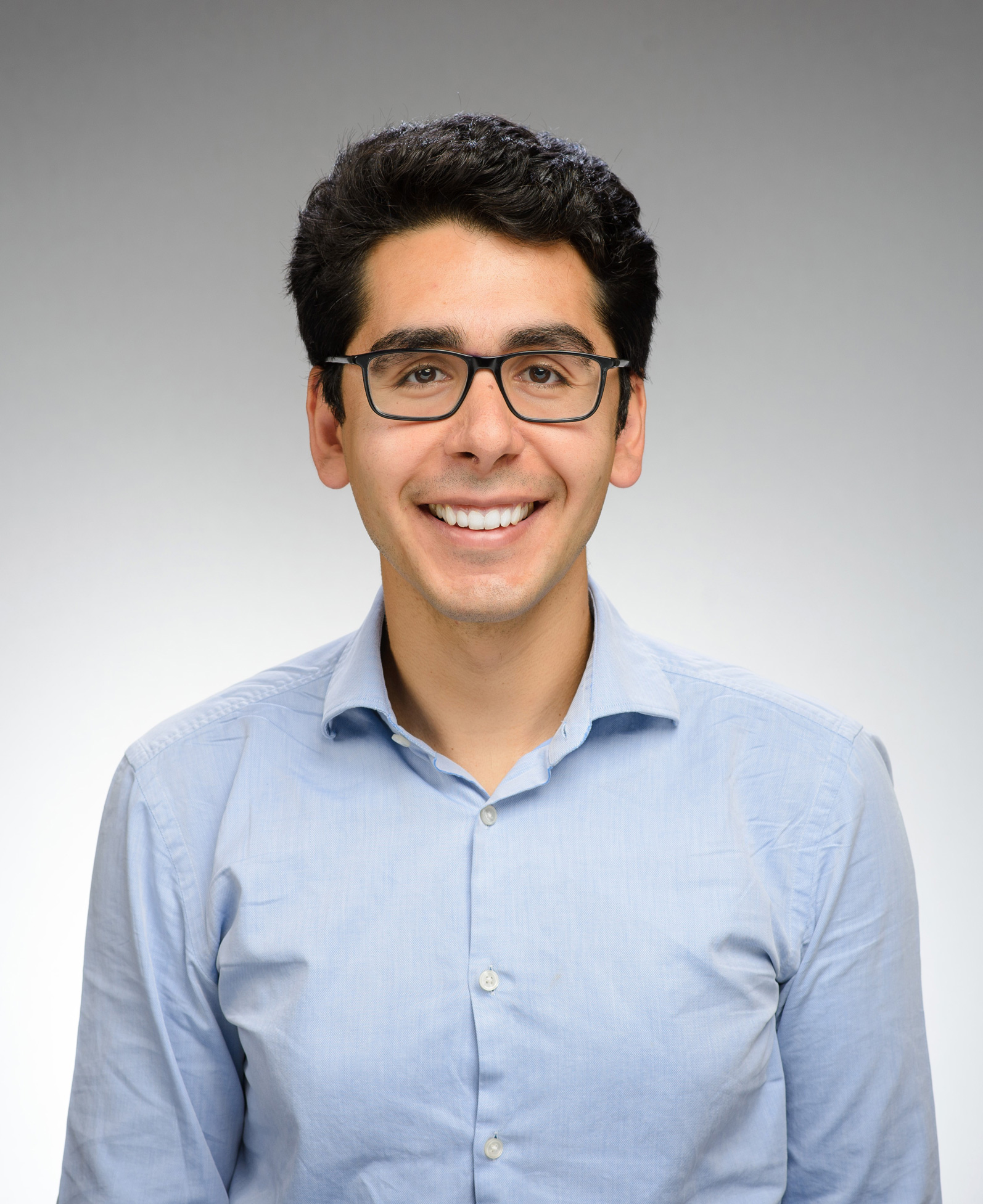
Could you describe your career path?
Since I started college, I’ve been interested in computer science, the arts, and the social sciences. I studied industrial engineering, but by the end of my studies, I always wanted to see clearer connections between what we were studying and how people were involved in these processes. While I was learning finance, operations, and so on, I missed the human component. To explore new creative paths, I took art courses, experimenting with video and color-based artwork. In my last year of college, I was not excited about applying to traditional engineering jobs (I honestly could not see myself working in them), and I was willing to explore new paths to find something that would allow me to be independent and create things freely. After months of reflection, I decided to pursue a master’s degree in computer science to continue exploring other paths. My home department offered me the opportunity to teach courses on web and media to first-year students, and I really enjoyed the experience. Learning from students and doing my best to share knowledge with them was a unique and valuable experience for me. In 2012, I continued working at the School of Communication at Pontificia Universidad Católica de Chile (PUC) as an instructor and researcher in multiple interdisciplinary projects. While HCI was not a well-known topic in my country, I tried to connect the pieces with different strands of the literature: multimedia, UX, visualization, and so on. By then, my dean helped me realize that pursuing a Ph.D. outside my country was a good path to grow as a researcher, discover something new, and connect with research communities worldwide.
Why did you choose Northwestern for you PhD?
I was looking for an interdisciplinary place! When I was applying to different programs, I had a great interview with my advisor, Prof. Noshir Contractor, who was working at the incredible intersection of social networks and engineering. Also, I visited Chicago and Evanston as a tourist in 2010. I loved the campus, the city of Evanston, and the view of the lake. I also had some colleagues who attended Northwestern (Medill and Kellogg) and strongly encouraged me to consider it. I learned more about NICO, the Knight Lab, and many other initiatives that I found to be exciting. After assessing various options, I decided that TSB (Technology and Social Behavior) was the best program through which I could pursue my interests in both engineering and communication science..
Was there a particular moment, project, or person at Northwestern that significantly influenced your career?
There are so many people and mentors who helped me grow as a researcher and as a person. My advisor, Prof. Contractor, helped me become a professor, and I am grateful for all his mentorship during this time. It is really an exciting and thrilling community. Even to this day, it has been great to have the support and encouragement of the HCI faculty as I go through my tenure process at Notre Dame.
How do you envision the future of human-computer interaction?
It is moving fast, given the increasing use of generative AI and vibe-coding tools in our methodologies and work. I think that at a certain point, we need to take a more proactive position by proposing new theories and paradigms, rather than being reactive to how these technologies can make incremental changes in our daily lives.
What is one question about technology or society that you think we should be asking but aren’t?
I am still concerned about how the content and interactions generated by these technologies will become so human-like that we may not be able to distinguish what is real from what is made by AI. The same applies to how knowledge will be produced—and judgments will be made—by both humans and machines. Social movements, calls, and ideas could be created by AI without our awareness. I know many communities, including philosophers, are asking these questions, which still have no clear answers.
What is something you wish you had known when you were a PhD student?
Take more time to interact with people. Northwestern, Evanston, and Chicago are full of wonderful communities, and I wish I could have spent more time with friends, colleagues, and community members. Conferences are also great opportunities to connect with other researchers. Time flies, and people move quickly to different parts of the world. Enjoy every day with them.
What advice would you give to a student starting in the program?
Enjoy this time in the program. It is full of beautiful and challenging moments. My first paper rejection was hard, but I learned a lot from it. Meet new people every day. Say hi to the people walking in the corridors at Frances Searle. Each day is unique. My Ph.D. experience at Northwestern gave me an opportunity to start a new life, meet my spouse, and form a family. I hope it will change your life in meaningful ways as well.
Back to top